Smart Bulk Buying Tips to Save Money Without Waste
- April 21, 2026· Article by David Brown
- bulk buying , grocery savings
Buying in bulk can cut the cost of everyday groceries by a third or more, reduce packaging waste and save trips to the shop. It can also fill your cupboards with food that spoils, bores you or never gets eaten. Smart bulk buying is a skill: it depends on what you actually use, how you store it and whether the price per unit beats the alternatives. This guide explains how households, small shops and community groups can buy in larger quantities safely and save real money.
Start With What You Already Use
Track your shopping for a month. Note which staples disappear quickly, such as rice, pasta, oats, flour, canned tomatoes, cleaning supplies and toilet paper. These items are safe candidates for bulk buying, because you will use them before they expire. Avoid stocking up on items that you only try occasionally, however tempting the discount.
A simple list on the kitchen wall with prices per kilogram or liter keeps your comparison honest and shows which deals are real.
Do the Unit Price Math
Large packs are not always cheaper. Compare the price per unit, such as per hundred grams or per sheet, across sizes and shops. Check supermarket promotions, wholesalers, farm shops and online suppliers. Factor in transport, membership fees and storage costs.
Never trust the word value on the label, calculate the unit price yourself, because marketing often hides that a smaller pack on offer is the better buy.
Best Foods to Buy in Bulk
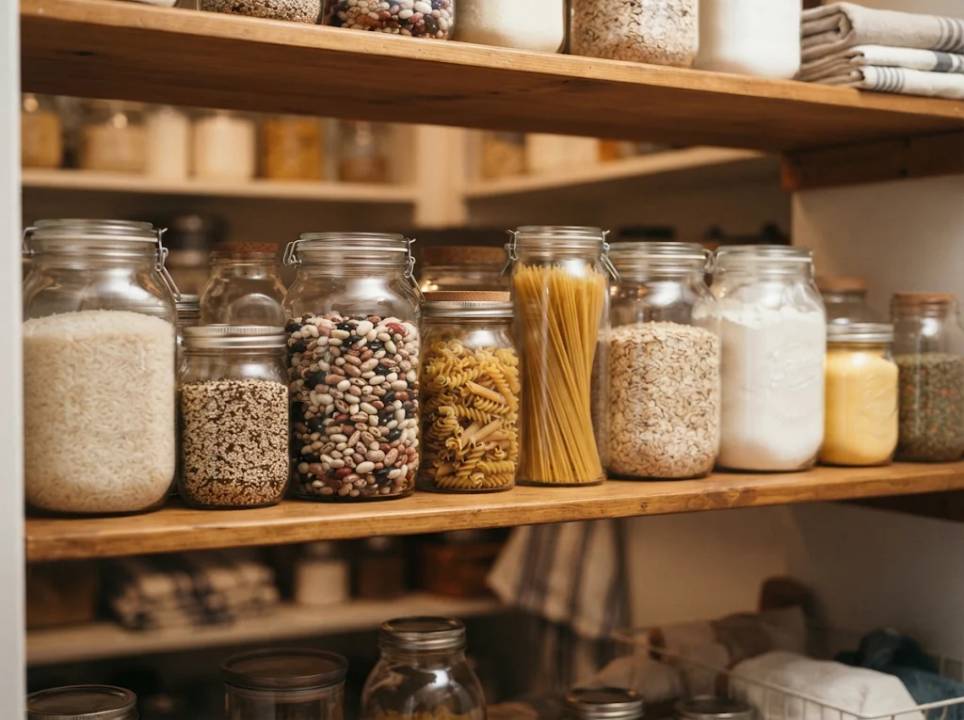
Dry goods keep well: rice, lentils, beans, oats, pasta, flour, sugar, salt and spices bought whole. Canned and jarred foods, nuts and seeds, frozen vegetables and meat that you can portion and freeze also suit bulk buying. Non-food items such as soap, laundry detergent and batteries are safe too.
Choose items with long shelf lives and check dates before you buy.
What Not to Stockpile
Fresh produce, bread, dairy and delicate oils spoil quickly. Whole grain flour and nuts can turn rancid within months at room temperature. Buy small quantities of these, or freeze them in portions. Baby food, medicines and pet food need extra attention to dates.
Rotate stock so that older packs are used first.
Storage That Prevents Waste
Use airtight containers, keep food in a cool, dry and dark place and label everything with the purchase date. Protect against pests with sealed lids and clean shelves. Freeze portions in flat bags to save space and speed up thawing. The FoodSafety.gov storage and cooking charts offers clear guidance on safe storage times and temperatures.
Keep a simple inventory list on your fridge or phone.
Buying Together With Friends and Neighbors
Food co-ops and shared purchases let several households benefit from wholesale prices without overloading a single cupboard. Divide quantities fairly, agree on a pickup place and set clear rules for payment and communication. Community groups can split large sacks of rice or crates of fruit and reduce packaging.
Keep records and share costs openly to avoid disagreements.
Importing Specialty Goods
Many people order foods and household goods from abroad, such as German bakery items, spices and tools. Check customs rules, shipping costs and food regulations before ordering. Labels and instructions may need translation, and sellers who target several markets often invest in german translation for imported goods to make descriptions and safety text clear.
Our article on labels and instructions for imported products explains why accurate product text matters for both sellers and buyers.
Small Shops and Bulk Purchasing
Shops and cafes can reduce costs by buying from wholesalers, but must plan cash flow and storage. Negotiate terms, compare suppliers and track waste. Share price lists with staff, and adjust menus around seasonal bargains.
Good suppliers become partners.
Reducing Packaging and Waste
Bring your own containers to refill stores, choose paper over plastic where possible and buy loose produce. Large packs often use less packaging per kilogram. Recycle carefully and compost scraps.
Small changes add up.
Avoid Impulse Traps
Warehouse stores are designed to make you buy more. Go with a list, eat before you shop and leave the cart at the door if you only need a few items. Ask yourself whether you will really use the product before it expires.
Discipline saves more than coupons.
Budgeting and Tracking Savings
Record what you spend and compare it with previous months. Set aside part of the savings for an emergency pantry. Review prices quarterly.
Numbers show whether the habit pays.
Food Safety Habits
Wash hands and surfaces, keep raw and cooked food separate and cook meat to safe temperatures. Check cans for dents and bulges, and discard anything that smells wrong.
When in doubt, throw it out.
Final Thoughts
Bulk buying works when you know your needs, calculate unit prices, store food well and share with others. Start with a few staples, track results and expand gradually.
Your budget and the planet will both benefit.
Seasonal Buying Strategies
Prices follow the seasons. Buy tomatoes in late summer and preserve them, stock up on baking supplies before the holidays and purchase winter vegetables at harvest time. Plan menus around what is cheap, and freeze or can surplus.
Seasonal planning cuts costs and improves flavor.
Building an Emergency Pantry
A small reserve of non-perishable food and water helps during storms, power cuts or illness. Choose foods your family likes, check dates twice a year and store them in an accessible place. Include a manual can opener and any special dietary items.
Preparation brings peace of mind.
Cooking With Bulk Staples
Learn a few flexible recipes that use rice, lentils, pasta and canned tomatoes. Batch cook and freeze portions for busy days. Experiment with spices to avoid boredom.
Variety keeps bulk buying enjoyable.
Where to Find the Best Prices
Compare wholesalers, discount grocers, farm shops, online suppliers and local markets. Prices for the same product can differ by thirty percent or more. Join loyalty programs that offer real discounts, but ignore points that tempt you to buy things you do not need. Check delivery fees and minimum orders before you add items to a cart.
A short list of trusted sellers makes shopping faster and cheaper.
Planning Meals Around Stored Food
Write a weekly menu that uses staples from your pantry first and fresh items second. Cook larger batches of soups, stews and grain dishes and freeze portions. Rotate older packs to the front, and plan one leftover day each week. This habit cuts waste and reduces the number of shopping trips.
Planning turns a full pantry into easy dinners.
Sharing the Savings With the Community
Surplus can be shared through neighborhood groups, food banks and community fridges. Donate items before they expire, check local guidelines and label contents clearly. Helping others turns bulk buying into a way of strengthening your area.
Generosity multiplies the benefit of every discount.